
How to Fund Buying a Building Franchise
by Scott Clague
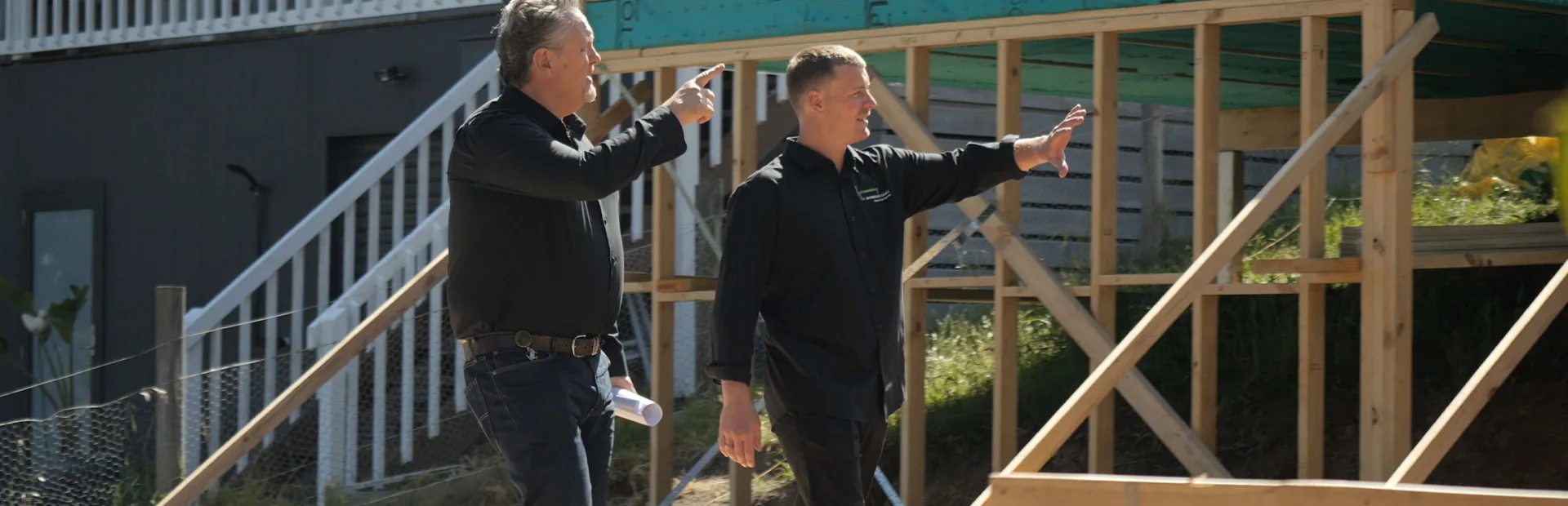
When Bobby Jovic began researching opportunities to establish his own building business, he was looking for more than just a recognised brand. Stroud Homes immediately stood out.
Once a builder has accepted that a franchise is the right move and made peace with the price, a very practical question lands next. How do you actually pay for it?
It is a fair thing to work through carefully. Buying a building franchise is a real investment, and the figure on the agreement is only part of what you need to have lined up. The builders who launch well are the ones who plan the funding properly, so the business has room to breathe in the early months rather than running tight from day one.
This guide covers how much you genuinely need, the ways builders fund the move, and what a lender wants to see before they back you.
How Much You Actually Need
The honest starting point is that there is no single number. What it costs to buy a building franchise depends on the brand, the territory and what the agreement includes, so the reliable figures come from the franchisor for your specific situation. The way the cost of starting a building franchise is structured gives you a sense of the parts that make up the total.
When you plan your funding, account for more than the upfront fee:
- The franchise fee: Covers the territory rights, the design range and documentation, software licences and launch support.
- Working capital: Money to cover overheads, insurance and wages while your first builds move through council consent and progress claims.
- An operating reserve: A buffer for the early stretch before consistent income comes through.
Planning for all three is what separates a smooth launch from a stressful one.
The Ways Builders Fund It
Most builders use a combination of sources rather than a single one. The common routes are straightforward:
- Cash and savings: The capital you have set aside, often the foundation of the funding mix.
- Equity: Releasing equity held in property or other assets to fund part of the investment.
- Lending: A business loan covering some of the upfront cost. Banks are often familiar with established franchise systems and can be more willing to lend against a proven brand than an independent start-up with no track record.
A finance broker who knows franchise lending can help you structure this well and present your case to the right lenders. It is worth speaking to your accountant early too, so the funding mix suits your circumstances.
What a Lender Wants to See
Lenders back preparation. If you go in with a clear, professional case, you give yourself the best chance of approval on sensible terms. Have these ready:
- A solid business plan: Show you understand the local market, your working capital needs and your breakeven point.
- Knowledge of the territory: Evidence of demand, population growth and land release in the area you will build in.
- The franchise track record: Lenders take comfort from an established brand with a history behind it.
Using the franchisor's financial templates can help you present a professional case, since the figures are laid out in a format lenders recognise. The complete guide to owning a franchise business walks through the steps in more detail.
Don't Underestimate Working Capital
This is where new building businesses most often come unstuck. The squeeze is real: suppliers want payment upfront and offer limited credit, while clients pay over time through progress claims. That gap has to be funded from your own reserves until the first payments clear.
Build your funding plan around that reality. Enough working capital to carry overheads, insurance and wages through the first builds keeps the business steady while it finds its feet. Discuss the specific requirements with the franchisor and your accountant so the figure you plan for matches the work ahead.
Is the Investment Worth Funding?
The fair way to weigh the cost is against what the alternative actually costs. Building your own systems, brand recognition and a reliable lead pipeline from nothing takes years and a steady spend that shows up in slow periods and lost jobs rather than on an invoice. A franchise puts that infrastructure in place from day one. The piece on whether construction franchise fees are worth it works through that comparison.
Funding a Stroud Homes Franchise
Stroud Homes has been building across Australia for more than 20 years, with award-winning designs recognised by the Housing Industry Association and Master Builders. The model is built for licensed builders who want a proven business to fund and grow, rather than years of trial and error.
Here is what your investment buys into:
- Proven systems: Established procedures for quoting, contracts, scheduling and project management.
- Market credibility: A recognised national brand with rigorous quality assurance and independent inspections on every build.
- Real support: A dedicated franchise support team and a network of fellow franchisees behind you.
- Room to grow: Less time lost to admin and more spent delivering quality homes.
You can see the current openings on the building franchises for sale page. When you are ready to talk through the numbers and what funding the move looks like for you, call Scott Clague on 0448 787 683 for a confidential conversation.
Frequently Asked Questions
How much money do you need to start a building franchise?
There is no single figure, since it depends on the brand, the territory and what the agreement includes, so ask the franchisor for numbers specific to your situation. Beyond the upfront fee, plan for working capital to cover overheads, insurance and wages, plus an operating reserve for the early months before consistent income comes through.
Can you get a loan to buy a building franchise?
Often, yes. Banks are frequently familiar with established franchise systems and can be more willing to lend against a proven brand than an independent start-up with no track record. A finance broker who understands franchise lending can help structure the loan and present your case to the right lenders.
What do lenders want to see when financing a franchise?
A solid business plan that shows you understand the local market, your working capital needs and your breakeven point. They also take comfort from evidence of demand in your territory and from the track record of an established brand. Using the franchisor's financial templates helps, since the figures appear in a format lenders recognise.
How much working capital do I need for a building franchise?
Enough to cover overheads, insurance and wages while your first builds move through council consent and progress claims, since suppliers want payment upfront while clients pay over time. The exact figure depends on your situation, so work it through with the franchisor and your accountant.
Is it cheaper to start my own building company than buy a franchise?
The independent route can look cheaper upfront. The hidden cost is the time and money spent building systems, a brand and a lead pipeline from nothing, which shows up in slow periods and lost jobs rather than on an invoice. Weigh the franchise fee against what creating all of that yourself would actually cost.