
Converting Your Existing Building Company to a Stroud Franchise
by Eileen Birdwhistle
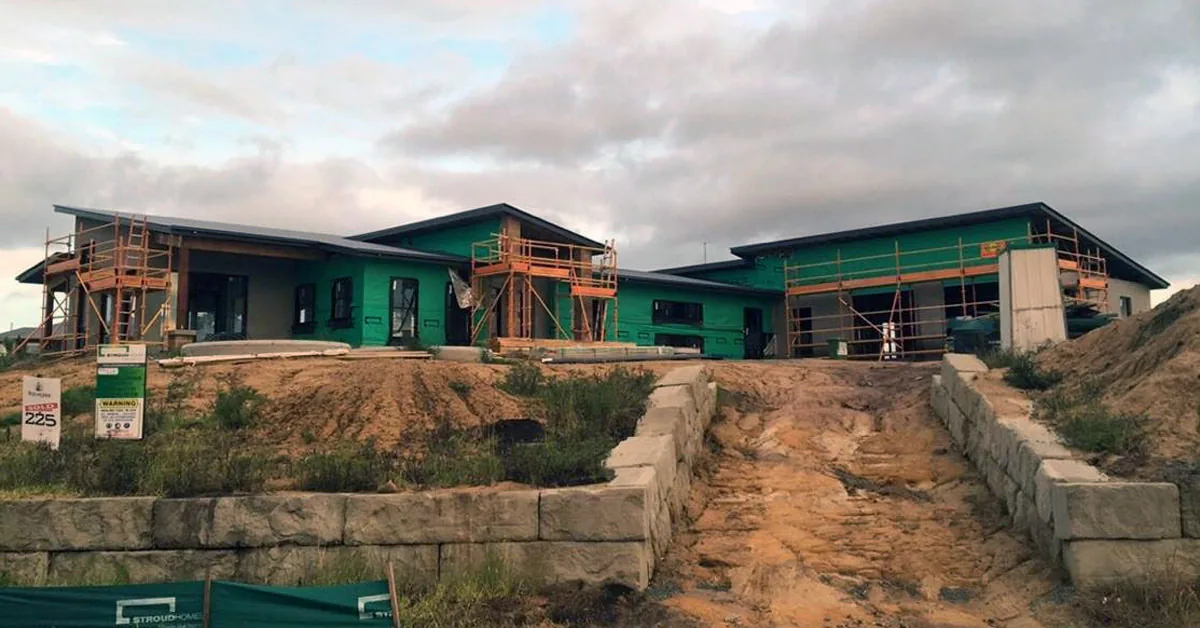
When Bobby Jovic began researching opportunities to establish his own building business, he was looking for more than just a recognised brand. Stroud Homes immediately stood out.
A lot of builders looking at franchising already run a business. They have an ABN, a few jobs on the go, maybe a small team, and years of work behind them. The question they are asking is not how to start from scratch. It is whether the company they have already built would be better off under an established brand.
That path has a name. You can convert an existing building company into a franchise, effectively rebranding the business you already run and folding it into a larger system. For builders who have hit a ceiling doing renovations or a handful of homes a year, it is often the move that unlocks the next stage of growth.
This guide covers how converting works, what stays in your hands, and what to check before you commit.
What Converting Your Business Actually Means
Franchising a business that already exists is different from buying into a brand cold. You bring an operating company, a local reputation and a working knowledge of your market. What you take on is the brand, the systems and the support that sit around all of that.
In practice, your building work carries on. The change is the infrastructure underneath it: the name above the door, the quoting and contract systems, the design range, the marketing engine and the head-office team. Your trade and your client relationships remain yours to run.
Why Builders Convert an Established Company
The builders who take this route tend to share a frustration. They are good at building and the work keeps coming, yet the business side has grown into a second full-time job that eats evenings and weekends. Converting addresses that directly:
- A recognised name: Your local reputation gains national brand recognition behind it, which warms up enquiries before you ever speak to a client.
- A working lead pipeline: Marketing run at a network scale takes the constant hunt for the next job off your plate.
- Proven systems: The quoting, contracts and project management you have cobbled together get replaced by frameworks tested across many operators.
- A team behind you: The hard problems that used to land on your desk alone now have a head-office team that has seen them before.
For a deeper look at the upside and the commitment involved, the complete guide to owning a franchise business walks through it.
What Happens to the Business You've Built
This is the part most builders want straight answers on, so here it is plainly. Your day-to-day building stays in your hands. You still lead your team, manage your sites and own your client relationships. The franchise framework sits around that work and gives it structure.
The honest trade-off is that you operate within the franchisor's systems, designs and standards. For someone who has run things entirely their own way for years, that adjustment takes getting used to. If total autonomy over every decision is non-negotiable for you, a franchise is worth thinking hard about before you commit. How your existing business name and entity are treated during the changeover is something to work through directly with the franchise team, since it depends on your setup.
Do Your Due Diligence First
Converting a business you have spent years building is a significant decision, so it deserves proper scrutiny. Before you sign anything, work through the checks that protect you:
- The franchisor's track record: How long have they operated, and how carefully do they select the builders they bring in?
- Existing franchisees: Call them directly. Ask whether the support matches the pitch and whether they would do it again.
- The agreement: Have it reviewed properly so you understand exactly what you are committing to.
A clear-eyed read of the pitfalls to avoid when buying a franchise is a sensible step before you go further.
What Converting Costs
The cost depends on the brand, the territory and what the agreement includes, so the reliable figures are the ones the franchisor gives you for your situation. The way the cost of starting a building franchise is structured will give you a sense of the components.
The investment typically covers the territory rights, access to the design range and documentation, software licences and launch support. Ongoing royalties and a marketing levy apply. The fair way to weigh those fees is against what you already spend, often invisibly, generating leads, maintaining your own systems and marketing an independent name in a competitive market.
Converting to a Stroud Homes Franchise
Stroud Homes has been building across Australia for more than 20 years, with award-winning designs recognised by the Housing Industry Association and Master Builders. The model is built for licensed builders who already know how to build and want the infrastructure to grow what they have started.
Here is what you step into:
- Proven systems: Established procedures for quoting, contracts, scheduling and project management.
- Market credibility: A recognised national brand with rigorous quality assurance and independent inspections on every build.
- Real support: A dedicated franchise support team guiding you through the transition, plus a network of fellow franchisees.
- Room to grow: Less time lost to admin and more spent delivering quality homes.
You can see current openings on the building franchises for sale page. If you already run a building company and you are ready to grow it under a national brand, call Scott Clague on 0448 787 683 to talk it through.
Frequently Asked Questions
Can I convert my existing building company into a franchise?
Yes. Many Stroud Homes franchisees come in already running a building business. You bring your operating company, your local reputation and your knowledge of the market, and you take on the brand, systems and support around it. The specifics of how your existing business folds in are worked through with the franchise team.
What happens to my business name when I join a franchise?
You operate under the franchise brand, which is a large part of the value, since the recognised name does work your own would take years to build. How your existing name and legal entity are handled during the changeover depends on your situation, so it is a conversation to have directly with the franchise team.
Do I need to be a licensed builder to convert my company to a franchise?
Yes. A building franchise still carries out building work, so you need to hold the relevant state builder's licence. Franchisors look for qualified, experienced builders who are ready to lead the business hands-on.
Will I lose control of my business if I franchise it?
Your building work stays in your hands. You still run your team, your sites and your client relationships, and the franchise framework sits around that. The trade-off is that you work within the franchisor's systems and standards, so it suits builders who want structure more than total independence.
Is it worth converting an established building business to a franchise?
It depends on what you want and what you are carrying. Builders who are good at building but worn down by the admin, the lead chasing and the ceiling on growing alone tend to get the most from it. Do the maths on the fees against what you already spend generating work and running your own systems.